Elder Futhark: A Strategic Tool for Branding, Creativity, and Meaningful Communication
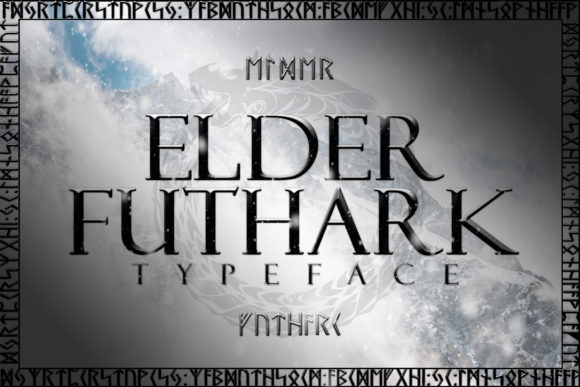
Elder Futhark is more than just an ancient writing system—it’s a powerful visual and symbolic language that can be strategically leveraged in modern contexts. Derived from the oldest form of the runic alphabet, Elder Futhark was used by Germanic tribes across Europe from the 2nd to the 8th centuries. Its inscriptions appear on a wide range of artifacts, including jewelry, amulets, tools, weapons, and runestones. Today, this historical script has found new relevance as a typeface that offers both aesthetic and conceptual value.
The Strategic Value of Elder Futhark in Modern Contexts
While Elder Futhark is not a translator or a linguistic tool in itself, its design and symbolism can serve as a strategic asset when applied thoughtfully. As a unique font, it carries an air of authenticity, mystique, and cultural resonance that can align with specific brand identities or creative visions. For professionals and creators looking to stand out in crowded markets, Elder Futhark provides a distinctive visual identity that can enhance communication and engagement.
Strategically, using Elder Futhark can help reinforce a brand’s values, whether those are rooted in tradition, craftsmanship, or a connection to heritage. It can also signal a commitment to originality and depth—qualities that resonate with audiences who value authenticity over superficiality. This makes it particularly useful for industries such as design, publishing, education, and branding where differentiation is key.
When to Use Elder Futhark: Strategic Considerations
Before incorporating Elder Futhark into your work, it’s important to consider its purpose and context. This typeface is best suited for applications where its visual impact can complement rather than obscure the message. Here are some scenarios where Elder Futhark may be most effective:
- Branding and Logo Design: Elder Futhark can add a unique character to logos, especially for businesses that want to convey strength, tradition, or a sense of legacy.
- Titles and Headings: Its bold and angular style makes it ideal for headlines, book covers, or event titles where you want to make a strong visual statement.
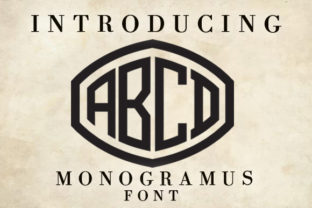
- Monograms and Personalization: It can be used to create custom monograms, nameplates, or personalized items that reflect individuality or cultural significance.
- Artistic and Creative Projects: Whether in graphic design, typography, or digital art, Elder Futhark can inspire creativity and offer a fresh perspective.
However, it’s important to use Elder Futhark intentionally. Its complexity and distinctiveness mean that it may not always be the best choice for body text or everyday communication. The font can be challenging to read in certain sizes or contexts, so it should be used sparingly and with purpose.
How to Approach Elder Futhark with Purpose
Using Elder Futhark effectively requires a clear understanding of its role within your project. Start by defining the goal: are you aiming to evoke a particular emotion, communicate a specific message, or create a unique visual identity? Once you have a clear objective, you can determine how and where to apply the font.
For example, if you’re designing a logo for a wellness brand that emphasizes natural and traditional healing methods, Elder Futhark could symbolize a connection to ancient wisdom and holistic practices. In contrast, a tech startup might find the font less appropriate unless it’s being used for a niche product that draws inspiration from historical or mythological themes.
Consider the audience as well. Elder Futhark appeals to individuals who appreciate history, culture, and craftsmanship. If your target demographic aligns with these values, the font can be a powerful tool for connection and differentiation.
Practical Examples and Planning Tips
Let’s explore a few practical examples of how Elder Futhark can be integrated into different projects:
- Book Covers: A fantasy novel set in a medieval world could benefit from Elder Futhark on its cover to reinforce the setting and theme.
- Event Invitations: For a themed wedding or cultural festival, using Elder Futhark in invitations can create an immersive experience.
- Marketing Materials: A boutique that sells handmade goods might use the font in its branding to emphasize quality and artisanal craftsmanship.
- Personal Projects: Artists, writers, or designers can incorporate Elder Futhark into their portfolios to showcase a unique aesthetic.
When planning to use Elder Futhark, start by outlining your goals and identifying the right contexts. Test the font in different sizes and backgrounds to ensure it remains legible and visually appealing. Always pair it with complementary elements that support its intended message.
Risks of Using Elder Futhark Without Clear Goals
Like any design choice, using Elder Futhark without a clear strategy can lead to misalignment with your overall objectives. One of the primary risks is that the font may overshadow the content it’s meant to support. If not used carefully, it can become a distraction rather than a highlight.
Additionally, relying on Elder Futhark without understanding its cultural and historical context may lead to unintended associations. The runes have deep roots in ancient traditions, and their use in modern settings should be approached with respect and intention.
Another risk is the potential for confusion. Because Elder Futhark is not widely recognized, there’s a chance that your audience may not understand its meaning or significance. This can lead to a disconnect between the visual element and the message you’re trying to convey.
Strategic Observations and Decision-Making Guidance
To avoid these pitfalls, approach Elder Futhark as a strategic asset rather than a decorative flourish. Ask yourself: Does this font align with my brand identity? Does it support my messaging? Will it resonate with my audience? These questions can help guide your decisions and ensure that every use of Elder Futhark adds value.
It’s also important to consider the long-term implications of your design choices. While Elder Futhark may offer immediate visual appeal, it should also contribute to the sustainability and coherence of your brand or project. Think about how it will evolve over time and whether it will continue to serve your goals as your audience and market change.
Finally, don’t hesitate to seek feedback from others. Colleagues, clients, or even members of your target audience can provide valuable insights into whether your use of Elder Futhark is effective and meaningful.
Conclusion: Leveraging Elder Futhark for Long-Term Value
Elder Futhark is more than just a typeface—it’s a symbol of history, culture, and intentional design. When used with purpose, it can enhance communication, reinforce brand identity, and create a lasting impression. However, its power lies in its thoughtful application.
By approaching Elder Futhark as a strategic tool rather than a random stylistic choice, you can unlock its full potential. Whether you’re building a brand, creating content, or exploring new creative directions, the key is to use this ancient script with clarity, intention, and respect. In doing so, you’ll not only make better decisions but also achieve better results.