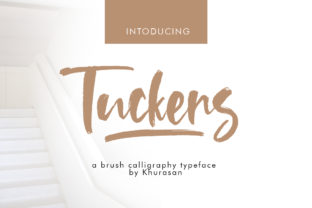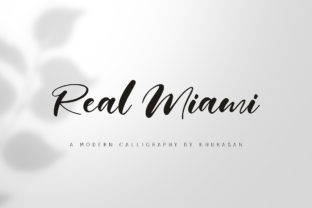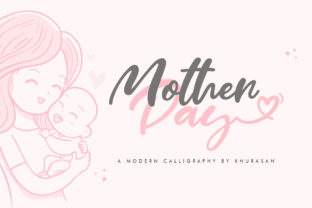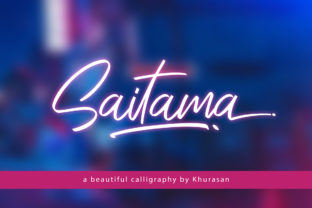
Stefont: Handwritten Elegance, Instantly
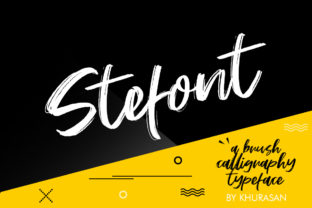
If you've ever stared at a clean layout and thought, “This needs warmth—not perfection,” Stefont is likely the quiet solution you’ve been overlooking. It’s not another overly scripted script font or a chaotic brush typeface that sacrifices legibility for flair. Stefont is a carefully balanced handwritten font brush—designed with real pen pressure, subtle ink variation, and an unmistakable vintage sensibility. It feels personal, intentional, and quietly confident.
What Makes Stefont Stand Out (Beyond the Aesthetic)
At first glance, Stefont reads like a letter from a thoughtful friend: relaxed but refined, casual but composed. Its elegance comes from restraint—not ornate swirls or exaggerated flourishes, but from natural stroke contrast, gentle tapering, and organic spacing. Each character carries slight asymmetry, mimicking how a skilled hand moves across paper—not rigid, not robotic, but alive.
Unlike many brush fonts that blur into illegibility at small sizes or collapse under heavy tracking, Stefont holds its own from 14px headlines to 60pt hero text. Its x-height is generous, its lowercase ‘a’, ‘e’, and ‘g’ are open and friendly, and its uppercase letters have just enough presence to anchor a title without shouting. There’s no forced quirkiness—just honest, human rhythm.
Where Stefont Earns Its Place in Real Work
Professionals don’t reach for fonts on whim—they reach for tools that solve problems. Stefont solves several at once:
- Branding with warmth: A boutique skincare line, indie bookstore, or ceramic studio doesn’t need corporate sterility. Stefont adds authenticity to logos, packaging, and social bios—communicating care and craftsmanship before a single word is read.
- Digital interfaces with personality: Email headers, course welcome pages, or landing page subheads gain approachability with Stefont. Used sparingly (e.g., as a headline paired with a neutral sans-serif body), it lifts engagement without sacrificing scannability.
- Educational materials that feel inviting: Teachers using Canva or Google Slides report students respond more warmly to hand-lettered vocabulary cards or reading prompts set in Stefont. It signals “this isn’t cold instruction—it’s an invitation to learn.”
- Print collateral with tactile memory: Wedding invitations, workshop handouts, or local café menus benefit from Stefont’s vintage undertones. It subtly cues nostalgia and sincerity—qualities that stick in memory longer than generic typography.
Practical Tips for Using Stefont Well
Like any expressive tool, Stefont shines brightest when used with intention—not excess. Here’s what works in practice:
- Leverage its strength in hierarchy: Use Stefont for primary headlines, quotes, or section dividers—never for long paragraphs or data tables. Its voice is meant to be heard, not sustained.
- Pair it wisely: It harmonizes beautifully with clean, low-contrast sans-serifs (think Inter, Lato, or Montserrat) and soft serif companions (like Merriweather or Playfair Display). Avoid pairing it with other high-contrast scripts or decorative fonts—that creates visual competition, not cohesion.
- Respect its rhythm in spacing: Stefont’s natural letterfit means default tracking often works well. If tightening or loosening, adjust in tiny increments (±5–10 units). Over-tracking flattens its charm; under-tracking crowds its breath.
- Test readability early: Preview at actual usage size—on mobile, in email clients, and printed at 100%. Its elegance shouldn’t come at the cost of clarity. If your audience includes older readers or those with visual sensitivities, ensure contrast meets WCAG 2.1 AA standards (4.5:1 minimum).
Why Designers & Marketers Keep Coming Back to Stefont
It’s rare to find a font that bridges emotional resonance and functional reliability—but Stefont does. Freelancers tell us it shortens client revision cycles: “They love it right away” is a common refrain. Why? Because Stefont doesn’t ask viewers to decode intent—it communicates sincerity immediately.
In crowded digital spaces, where attention is fragmented and trust is earned slowly, Stefont acts as a subtle credibility signal. It implies time was taken. Care was applied. The message matters—not just the metric. That’s why educators use it in welcome videos, coaches embed it in PDF workbooks, and small business owners choose it for Instagram story highlights. It’s not about looking “artsy”—it’s about looking *human*.
A Word on Licensing & Implementation
Stefont is available in both desktop and web-friendly formats (WOFF2, WOFF), with clear licensing options for personal, commercial, and multi-user use. Before embedding on a high-traffic site, verify your license covers web use—and consider loading it as a critical font (with font-display: swap) to avoid invisible text during load. For print projects, always export as outlined vectors or high-res PDFs to preserve its brush texture.
Also worth noting: Stefont includes standard OpenType features—ligatures, stylistic alternates, and contextual swashes—though these should be used selectively. One well-placed ‘&’ or custom ampersand can elevate a logo lockup; overusing alternates risks visual noise.
Final Thought: Typography as Tone, Not Decoration
Stefont reminds us that type isn’t just about letters—it’s about tone. It doesn’t shout innovation or scream luxury. Instead, it whispers reliability, warmth, and quiet confidence. That makes it unusually versatile: equally at home on a handmade greeting card and a premium SaaS onboarding screen.
If your current designs feel a little too polished—or worse, a little too forgettable—try swapping one headline, one CTA button, or one testimonial quote with Stefont. You’ll likely notice something immediate: people pause. They lean in. They remember the feeling before they finish reading the words.
That’s not accidental. That’s Stefont doing exactly what it was made to do.