Biró Script: A Strategic Handwritten Font for Intentional Communication
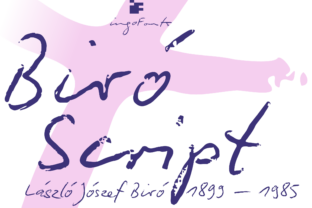
When your brand voice needs authenticity—not imitation—Biró Script stands apart. It’s not just another script font with flourishes and faux calligraphy. Biró Script is a deliberate, human-made typeface: bold in weight, expressive in rhythm, grounded in real pen-on-paper gesture. Its strokes carry tension, variation, and intention—qualities that resonate deeply when audiences sense something genuine rather than algorithmically polished.
Why Authenticity Matters More Than Ever
In a landscape saturated with AI-generated visuals, templated layouts, and homogenized design systems, real human expression has become a quiet differentiator. Biró Script doesn’t try to mimic perfection—it embraces the slight asymmetry of a confident hand, the subtle swell of pressure at the start of a stroke, the organic taper of an exit. That isn’t decorative; it’s communicative. It signals care, craft, and presence.
This matters strategically. For entrepreneurs launching a new service, educators designing learning materials, or small business owners crafting packaging, choosing Biró Script isn’t about aesthetics alone—it’s a decision about alignment. When your visual language reflects how you actually think, speak, and engage, trust forms faster. Customers don’t buy fonts—they respond to consistency between message, medium, and manner.
Where Biró Script Delivers Real Leverage
Use Biró Script where clarity meets character—and where tone carries as much weight as content:
- Brand identity systems: As a primary display font for logos, hero headers, or signature campaign lines—especially when positioning centers on craftsmanship, independence, or thoughtful action (e.g., artisan food brands, independent publishers, coaching practices).
- Printed collateral with tactile impact: Letterpress business cards, limited-run posters, workshop workbooks—contexts where physical interaction invites attention and slows consumption.
- Digital touchpoints with restraint: A single headline on a landing page, a short quote overlay on a video thumbnail, or a custom email signature. Not everywhere—just where emphasis and humanity matter most.
- Educational and reflective materials: Study guides, journal prompts, or internal team playbooks—where handwritten warmth supports engagement without undermining authority.
Notice what’s absent from that list: body text, data dashboards, legal disclaimers, multilingual interfaces. Biró Script excels in moments of emphasis—not endurance. Its strength lies in its singularity, not its scalability.
How to Use Biró Script Without Undermining Your Goals
Introducing Biró Script into your workflow requires more than downloading and applying. It demands planning—and often, editing.
Start by auditing your current communication stack. Where do you currently rely on neutral, safe fonts? Which messages feel flat or forgettable—not because of poor writing, but because the visual delivery lacks resonance? Identify one high-impact, low-frequency use case first: perhaps the “About” section headline on your website, or the title treatment on your next lead magnet.
Then ask: What outcome am I trying to support? If the goal is memorability, pair Biró Script with generous whitespace and a restrained color palette—no competing textures. If the aim is approachability, set it beside clean sans-serif body text (like Inter or Lato), not another decorative font. Contrast, not clutter, creates distinction.
Also consider context. A tech startup using Biró Script across all UI elements may unintentionally signal informality where users expect precision. But that same startup using it sparingly—for founder quotes in a values statement—adds dimension without confusion. Intent precedes application.
Risks of Using Biró Script Without Strategy
Like any strong stylistic choice, Biró Script carries trade-offs. Used without purpose, it can:
- Blur hierarchy: When applied to multiple heading levels or alongside similarly expressive fonts, visual priority dissolves. Readers scan—not absorb.
- Compromise accessibility: Its connected, flowing forms reduce legibility at small sizes or low contrast. Never use it below 24px in print or 32px on screen—and always test with real users, especially those with dyslexia or low vision.
- Signal misalignment: A law firm’s compliance documentation rendered in Biró Script may unintentionally suggest informality or lack of rigor—even if the content is meticulous.
- Create production friction: It lacks extensive language support and OpenType features like automatic ligatures or stylistic alternates. You’ll likely need manual kerning adjustments and careful proofing—especially in multilingual contexts.
None of these are flaws in the font itself. They’re reminders that typography serves strategy—not the reverse.
Practical Planning Tips for Long-Term Use
If you decide Biró Script fits your goals, integrate it deliberately—not decoratively:
- Define its role clearly: Assign it one primary function (e.g., “logo lockup only” or “hero headline + CTA button text”). Document this in your brand guidelines—even if they’re internal and informal.
- Establish pairing rules: Choose one highly legible, neutral sans-serif for all supporting text. Avoid mixing more than two type families unless you have typographic expertise—and even then, limit Biró Script to display roles.
- Test before scaling: Print a sample brochure. View a webpage on three devices. Ask someone unfamiliar with your brand: “What’s the first thing you notice—and what do you assume about the sender?” Their answers reveal whether Biró Script is amplifying or obscuring intent.
- Review annually: Revisit usage after six to twelve months. Has it retained impact—or has repetition dulled its distinctiveness? Sometimes the most strategic move is retiring a font that’s served its purpose well.
Not Every Bold Choice Needs to Be Loud
Biró Script feels bold because it’s unapologetically human—not because it shouts. That distinction matters. In branding, marketing, education, or product design, the most effective choices often aren’t the flashiest. They’re the ones that reflect actual behavior, reinforce real values, and serve measurable outcomes.
A freelance designer using Biró Script in their portfolio headline communicates confidence in their craft—not just skill with tools, but judgment about when and how to deploy them. A nonprofit using it on a donor thank-you card conveys gratitude as a personal act—not a transactional step. A teacher embedding it into a weekly reflection prompt invites students to slow down, not just read faster.
That’s the quiet power of Biró Script: it doesn’t replace strategy—it reveals it. When your decisions about typography align with how you want people to feel, think, and act, the font becomes infrastructure—not decoration.
Final Thought: Typography as Decision-Making Infrastructure
You don’t need Biró Script to be intentional. But if your goals include authenticity, differentiation, and resonance—especially in crowded or digitally saturated spaces—it offers a rare combination: visual impact rooted in human gesture, not synthetic polish. The question isn’t whether it’s “trendy” or “on-brand” in a vague sense. It’s whether it helps you achieve something concrete: deeper engagement, clearer positioning, stronger recall, or more meaningful connection.
Use it where it earns its place—not where it fills space. Refine its application over time. And remember: the boldest design choices are rarely the loudest. They’re the ones that make your audience pause, recognize something true, and lean in.