Bloody Script: Horror Font with Realistic Blood Texture
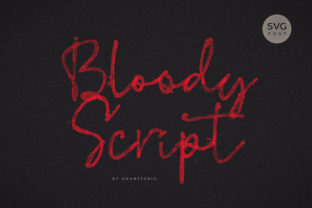
If you're designing something that needs to feel eerie, intense, or playfully macabre—like a Halloween flyer, a thriller book cover, or a spooky podcast logo—Bloody Script delivers instant atmosphere. It’s not just another “scary” font with jagged edges or dripping effects slapped on after the fact. This is a thoughtfully crafted script typeface where the blood texture is built in—subtle, organic, and convincingly visceral.
What Makes Bloody Script Stand Out?
At its core, Bloody Script is a flowing, hand-drawn-style script font—but one that carries a distinct horror aesthetic without sacrificing readability or versatility. The “blood texture” isn’t a gimmick; it’s carefully integrated into the letterforms themselves. Think of it like ink that’s slightly wet, pooling at the downstrokes, with soft, irregular edges that mimic dried or smeared blood—not cartoonish splatter, but something tactile and grounded.
Two versions come included: a standard OpenType (OTF) file for everyday use in design apps like Photoshop, Illustrator, or Canva—and an SVG font version. That SVG variant is especially handy if you’re working on web projects where you want the texture to scale cleanly across devices, or need precise color control (like switching from deep crimson to bruised purple with a single CSS rule).
Who Benefits Most From This Font?
You don’t need to be a professional designer to get value from Bloody Script. In fact, it’s especially helpful for people who want strong visual impact without spending hours learning advanced typography or photo manipulation.
- Bloggers and content creators use it for seasonal posts—think “5 Haunted Recipes for October” or “True Crime Series Recap”—where tone matters as much as text.
- Small business owners running escape rooms, haunted attractions, or goth-inspired boutiques apply it to signage, social media banners, and email headers to reinforce brand personality instantly.
- Educators and workshop leaders teaching creative writing, film studies, or digital art sometimes use it in slide decks or handouts to spark discussion about mood, genre cues, and visual storytelling.
- Freelancers and marketers appreciate how quickly it helps differentiate a campaign—say, launching a limited-edition horror-themed merch line or promoting a dark comedy short film.
Real-World Uses That Work Well
Because Bloody Script walks the line between legible and atmospheric, it shines in contexts where you want attention *and* clarity—even if only for a few words.
Try it for:
- A bold headline over a moody background image—“The Last Broadcast” on a vintage TV poster.
- Hand-lettered-style titles in a YouTube thumbnail—no extra graphics needed, just the font doing the heavy lifting.
- Custom invitations for a murder mystery dinner party, where guests expect immersive details.
- Instagram story text overlays for a spooky bookstagram account—especially effective when paired with dim lighting and grainy filters.
- SVG-powered animated logos for indie horror podcasts, where the texture subtly pulses or shifts hue on hover.
It’s less ideal for long paragraphs or tiny interface text—this isn’t a body font. But as a display face? It holds its own with confidence.
Things to Keep in Mind Before You Use It
Like any expressive typeface, Bloody Script works best when matched thoughtfully to your message and audience. Here are a few practical considerations:
Context Is Key
Horror aesthetics land differently depending on setting. A playful, stylized use—like a “Zombie Cupcake Sale” sign at a bakery—feels fun and approachable. But the same font on a medical brochure or school newsletter could unintentionally unsettle. Ask yourself: *Does this support my goal—or distract from it?*
Licensing Matters
The standard license covers personal and most commercial uses—including merchandise you sell—but always double-check the terms before using it in apps, games, or physical products with mass distribution. If you're building something client-facing (like a website template), confirm whether extended licensing applies.
Pairing It Thoughtfully
Bloody Script has presence—so pair it with clean, neutral fonts (like Montserrat, Lora, or even system fonts like Georgia) for contrast. Avoid stacking it with other decorative or distressed fonts; the result can feel chaotic instead of intentional. One strong headline font + one clear supporting font is often all you need.
SVG Isn’t Always the Default
The SVG version gives rich color and scalability—but not every platform supports it. For print files or PDFs, stick with the OTF. For websites, test how it renders across browsers (especially older ones), and always include a fallback font in your CSS stack.
A Friendly Note for Beginners
If you're new to working with custom fonts, start simple: download the OTF, install it on your computer, and open a blank document in Canva or Google Slides. Type three words—like “Midnight • Ritual • Revealed”—and try different sizes and background colors. Notice how the texture changes with scale: larger sizes reveal more nuance in the blood-like grain, while smaller sizes keep the essence without overwhelming.
You’ll also find that Bloody Script includes ligatures and alternate characters—small touches like connected “f” + “i” combos or swash tails—that add polish without extra effort. These aren’t required, but they’re nice bonuses once you’re comfortable with the basics.
Why It Feels Like More Than Just a Font
Typefaces shape how people feel before they even read a word. Bloody Script does that deliberately—not by shouting, but by whispering something unsettling and intriguing at the same time. It respects your time (no need to layer textures manually) and your intent (it doesn’t oversell the horror—it invites interpretation).
That balance—between authenticity and usability—is why designers, educators, and small teams return to it again and again. Whether you're drafting a pitch for a new indie game or designing your first tarot deck packaging, it offers a shortcut to mood, without sacrificing craft.
And because it comes with both OTF and SVG formats, you’re covered whether you're printing posters at Kinko’s or launching a responsive portfolio site—no workarounds, no compromises.