Amarillo: Elegant Calligraphy for Real Projects
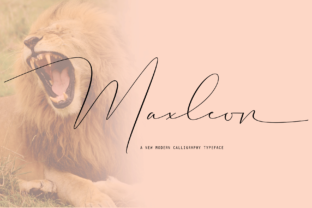
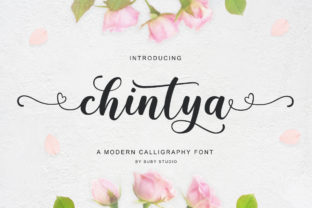
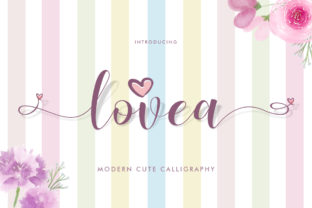
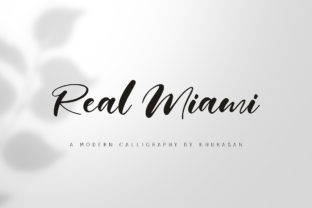
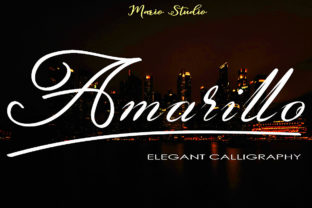
If you’ve ever admired the graceful flow of handwritten lettering—where each curve feels intentional, each stroke breathes with personality—you’ll appreciate Amarillo. It’s not just another script font. Amarillo is an elegant calligraphy typeface designed to evoke luxury and authenticity without sacrificing readability or versatility. Its natural writing style mimics the subtle variation of a skilled hand: slight pressure shifts, organic terminals, and gentle rhythm across letters. That means it feels human—not mechanical—even when used digitally.
Why Designers and Creators Reach for Amarillo
Amarillo stands out because it balances artistry with function. Unlike overly ornate scripts that fade into decoration, Amarillo maintains clarity at medium sizes and retains character even when scaled down. Its luxurious feel comes from thoughtful details—like tapered serifs, soft entry strokes, and balanced spacing—not from excessive flourishes. That makes it especially valuable for people who need elegance *and* impact: a small business owner launching a boutique brand, a photographer adding a refined watermark to their portfolio, or a musician designing an album cover that communicates mood before a single note plays.
Beginners often worry about script fonts being “too hard to read” or “too fancy for real use.” Amarillo avoids both pitfalls. It’s legible in context—think a quote overlaid on a soft-focus lifestyle photo or a signature line beneath a newsletter footer. And because it’s designed with consistent x-height and open counters, it holds up well across devices and print formats.
Where Amarillo Fits Naturally
You don’t need a design degree to put Amarillo to work. Here’s where it shines—and why:
- Logos & branding: Small studios, wedding planners, artisanal bakeries, and wellness coaches use Amarillo to signal care, craftsmanship, and warmth. A logo set in Amarillo feels personal—not corporate—without looking dated or overly casual.
- Photography watermarks: Its delicate weight and flowing structure sit gracefully over images without dominating them. Unlike bold sans-serifs that shout, Amarillo whispers your name—just enough to claim authorship while preserving visual harmony.
- Signatures & quotes: Whether you’re designing printable affirmations, embedding a founder’s quote in a pitch deck, or crafting a custom invitation, Amarillo adds sincerity. It suggests thoughtfulness, not template-driven efficiency.
- Album covers & posters: Musicians and event organizers rely on Amarillo to convey tone quickly. A moody jazz record? Amarillo’s fluidity matches the improvisational spirit. A minimalist art exhibition poster? Its restraint supports the work—not competes with it.
- Business cards & apparel: On cotton fabric or thick matte stock, Amarillo translates beautifully. It avoids the stiffness of digitized handwriting fonts and reads as genuinely hand-crafted—even when printed in bulk.
Real-World Use Cases You Can Try Today
• A freelance educator creates workshop handouts with Amarillo for section headers—adding quiet authority without overwhelming learners.
• A local florist uses Amarillo for their Instagram story highlights (“Seasonal”, “Weddings”, “Delivery”)—softening the digital space with tactile charm.
• A blogger features Amarillo in their email signature, pairing it with a clean sans-serif body font. The contrast feels intentional, not accidental.
• A small-batch candle maker prints Amarillo onto soy-based labels—its curves echo the organic shape of poured wax and hand-poured care.
What to Keep in Mind Before Using Amarillo
Amarillo excels in expressive, considered applications—but it’s not a one-size-fits-all solution. Here are practical things to consider:
- Pairing matters: Amarillo works best alongside neutral, well-spaced typefaces—like a warm geometric sans (e.g., Poppins or Montserrat) or a gentle serif (e.g., Lora or Merriweather). Avoid pairing it with other decorative or high-contrast scripts; they’ll compete instead of complement.
- Context shapes legibility: While Amarillo is more readable than many calligraphy fonts, it’s still not ideal for long paragraphs, data tables, or interface buttons. Reserve it for short, meaningful text—headlines, names, titles, captions.
- Licensing is straightforward—but check it: Amarillo is typically offered with standard desktop and web licenses. If you’re using it in a client project, confirm whether your license permits commercial redistribution (e.g., embedding in a client’s app or SaaS platform). Most vendors offer clear, affordable upgrades if needed.
- Test across surfaces: Print samples on your intended paper stock, preview watermarks at actual image resolution, and check how Amarillo renders on mobile screens. Subtle variations in rendering engines can affect stroke consistency—especially in thin weights.
A Note for Beginners
If you’re new to typography, start simple. Try Amarillo in one place first: your personal website’s “About” headline, the title of your next presentation slide, or the name on your business card. Notice how it changes the tone—not by shouting, but by shifting the emotional temperature. You’ll begin to recognize when a project calls for that kind of quiet confidence. No need to master kerning or OpenType features right away. Let Amarillo do what it does best: add grace, grounded in real-world usability.
It’s also worth noting that Amarillo isn’t trying to replace functional workhorses like Roboto or Inter. Instead, it fills a specific, human-centered role—bringing warmth to digital spaces, intentionality to physical objects, and distinction to crowded visual environments. That’s why photographers, makers, educators, and entrepreneurs return to it again and again: not because it’s trendy, but because it serves a genuine need—to communicate care, craft, and character—without saying a word.