Chintya: Elegant Calligraphy for Modern Design Projects
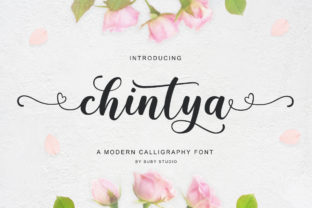
Chintya is more than just a font—it’s a design ally. With its graceful, hand-drawn strokes and refined rhythm, Chintya brings warmth and sophistication to any visual project. Designed with both tradition and contemporary sensibility in mind, this beautiful calligraphy font bridges the gap between artisanal craftsmanship and digital versatility. Whether you're crafting a wedding invitation or building a brand identity, Chintya offers an expressive yet accessible way to elevate your typography.
What Makes Chintya Stand Out?
At first glance, Chintya captivates with its fluid letterforms—each character flows into the next like ink gliding across handmade paper. Its elegance isn’t stiff or overly ornate; instead, it balances delicate curves with confident structure. Unlike many script fonts that sacrifice legibility for flair, Chintya maintains clarity even at smaller sizes, especially in its medium and bold weights.
Key characteristics include:
- Natural variation: Subtle shifts in stroke width mimic real handwriting, adding organic charm without unpredictability.
- Open counters and generous spacing: Ensures readability across print and screen—from social media banners to engraved stationery.
- Thoughtful language support: Includes extended Latin characters, making it suitable for multilingual branding and international audiences.
- Multiple stylistic sets: Alternate glyphs (like swash capitals and contextual ligatures) let designers fine-tune tone—playful for a café menu, refined for a luxury boutique.
Where Does Chintya Shine? Real-World Uses
Chintya thrives where personality and polish matter most. Its flexibility means it adapts—not dominates—so it enhances rather than overwhelms your message.
Weddings & Special Occasions
Couples choosing Chintya for their wedding suite often cite its ability to feel both timeless and fresh. It works beautifully on save-the-date cards, monogrammed napkins, and ceremony programs. Because of its balanced weight and clean connections, Chintya scales well from tiny RSVP envelopes to large acrylic signage—no pixelation, no awkward stretching.
Branding & Business Identity
Small businesses—especially those rooted in creativity, wellness, or hospitality—find Chintya ideal for logos and wordmarks. A yoga studio might pair Chintya with a minimalist sans-serif for body text, creating contrast that feels intentional and calm. A boutique bakery could use Chintya for its logo and packaging tags, instantly communicating care and craft.
Digital & Social Content
In an age of fast-scrolling feeds, Chintya helps content stand out—not through loudness, but through intention. Used sparingly in Instagram quote graphics or Pinterest pins, it adds emotional resonance without sacrificing scannability. Just avoid setting full paragraphs in Chintya; reserve it for headlines, quotes, or short calls-to-action.
Who Benefits Most From Using Chintya?
Chintya serves a wide range of users—but especially shines for:
- Independent creators: Illustrators, lettering artists, and Etsy sellers use Chintya as a reliable foundation for custom designs—saving time without compromising uniqueness.
- Marketing professionals: When launching a new product line or seasonal campaign, Chintya provides instant visual cohesion across email headers, landing pages, and ad creatives.
- Event planners & stationers: Its consistent spacing and OpenType features simplify layout work in tools like Adobe InDesign or Canva—no manual kerning needed for common pairings.
- Non-designers: Thanks to intuitive licensing and easy installation, small business owners can confidently apply Chintya to Canva templates or Google Slides presentations—even without formal design training.
Strengths—and Practical Considerations
The greatest strength of Chintya lies in its balance: elegant but not fussy, distinctive but not distracting. It performs reliably across platforms—web, mobile, and print—with minimal tweaking required.
That said, thoughtful usage matters:
- Avoid overuse: As a display font, Chintya is strongest when paired with a neutral, highly legible companion (e.g., Inter, Lora, or Montserrat). Let it lead the visual voice—but not carry the entire conversation.
- Test before finalizing: While Chintya renders cleanly on most devices, always preview how it appears on iOS and Android, especially in email clients where web font support varies.
- Licensing clarity: Check usage rights before deploying Chintya in client work or SaaS platforms. Most licenses cover desktop, web, and app use—but embedded PDFs or merchandise may require extended permissions.
Getting Started With Chintya: A Quick Guide
Ready to try Chintya? Here’s how to integrate it smoothly:
- Download & install: Obtain the font files from a trusted source. Install via your operating system’s font manager—or upload directly into design tools like Figma or Adobe Creative Cloud.
- Start simple: Begin with a single-line headline—“Welcome,” “Handcrafted with Love,” or your business name—to feel its rhythm and spacing.
- Explore alternates: In OpenType-aware apps, enable stylistic sets to access flourishes or simplified forms. Try turning on “Contextual Alternates” for natural-looking connections between letters.
- Pair wisely: Combine Chintya with a clean, humanist sans-serif for balance—or a gentle serif for editorial depth. Avoid other scripts or overly decorative fonts nearby.
- Export smartly: For web use, convert headings to SVG or use variable font subsets to keep load times low. For print, embed fonts in PDFs or outline text in vector files.
Is Chintya Right for Your Next Project?
Ask yourself these questions before committing:
- Does my project benefit from warmth, artistry, or personal connection?
- Will the audience associate elegance and authenticity with my brand or message?
- Do I need high legibility at various sizes—or is this strictly for display use?
- Am I comfortable pairing a script font with supporting typefaces, or do I prefer all-in-one solutions?
If you answered “yes” to the first two, Chintya is likely a strong match. If legibility across dense interfaces (like dashboards or long-form blogs) is critical, consider using Chintya selectively—for logos, hero sections, or featured quotes—rather than as a primary text face.
Final Thought: Typography With Intention
In a world saturated with generic fonts and AI-generated visuals, choosing Chintya signals care—not just in aesthetics, but in communication. It doesn’t shout. It invites. It honors the human hand behind every design decision. Whether you’re sketching ideas on paper or publishing globally online, Chintya reminds us that great typography starts with empathy: for the reader, the brand, and the moment the words are seen.
So go ahead—try Chintya in your next headline. Adjust the tracking. Swap in a swash ‘Q’. See how it changes the mood—not just of the text, but of the entire experience. That’s the quiet power of well-chosen type.